
Growing the future of agribusiness in South Carolina
South Carolina’s agribusiness industry is evolving through advanced food production, agricultural innovation, forestry products and modern manufacturing.
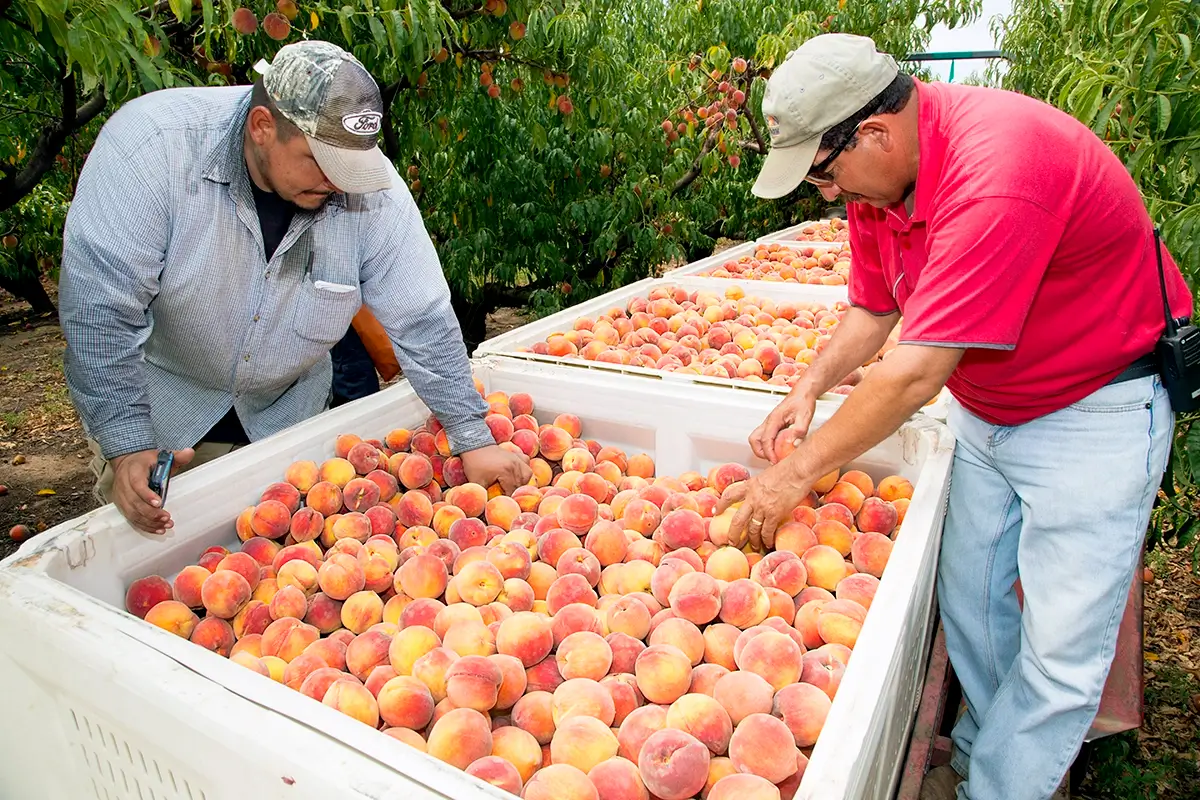
This is where agribusiness continues to grow, adapt and move forward
What has long been one of the state’s foundational industries is now one of its fastest growing. Between 2010 and 2020, South Carolina’s agribusiness sector expanded by approximately 40%, growing into a statewide ecosystem that spans farming, food processing, forestry, logistics, packaging and industrial production.
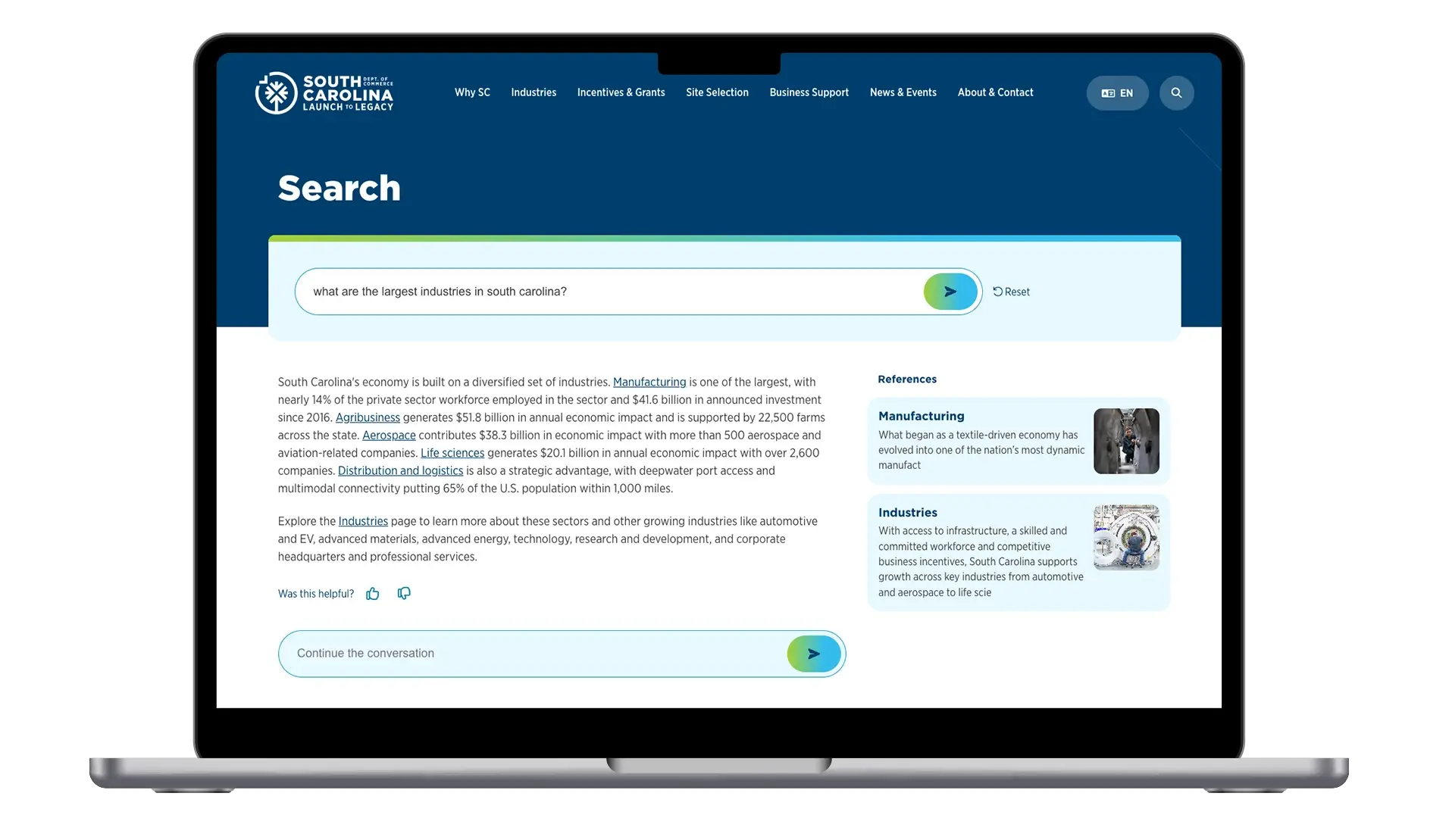
Today, agribusiness generates an economic impact exceeding $51.8 billion and supports more than 259,000 jobs across South Carolina. From family farms and global food manufacturers to advanced processing facilities and forestry operations, agribusiness continues to drive investment, innovation and long-term economic growth statewide.
South Carolina is home to more than 22,500 farms, a growing food and beverage manufacturing sector and a highly connected supply chain supporting producers, processors and distributors across every county in the state.
The industry’s momentum continues to accelerate. Since 2016, agribusiness companies have announced more than $6.28 billion in capital investment across South Carolina, reinforcing the state’s position as a leader in modern agribusiness production and innovation.
Agribusiness is driving growth in South Carolina
Download the agribusiness industry snapshot
Agribusiness leaders are growing in South Carolina











Infrastructure built to support agribusiness at scale
South Carolina’s agribusiness industry is supported by a highly connected network of producers, processors, manufacturers and distributors operating across every county in the state. With a growing supplier network and business-friendly operating environment, South Carolina provides the infrastructure needed to support long-term agribusiness growth.

From farm to market
From family-owned farms and livestock operations to global food manufacturers, forestry producers and packaging companies, the state’s agribusiness ecosystem supports the full lifecycle of production, processing and distribution.
Favorable climate
South Carolina’s climate and growing conditions continue to support a diverse agricultural economy.
Strategic East Coast location
Strategic infrastructure helps companies efficiently move products to domestic and international markets. The state offers direct access to a deepwater port, rail connectivity, interstate infrastructure and a location within a two-day drive of nearly 208 million consumers, including major East Coast and Midwest markets.
South Carolina is building the workforce to support the future of modern agribusiness
From agricultural production and food processing to forestry products, packaging and advanced manufacturing, companies benefit from a talent pipeline shaped by higher education, technical training and industry partnerships across the state.

A business environment designed to support long-term agribusiness growth, production and investment
Performance-based incentives reward companies for job creation and capital investment, helping agribusiness operations launch, expand and scale efficiently. Combined with a competitive tax structure and pro-business operating environment, the state helps companies reduce costs while supporting long-term operational success across food production, processing, manufacturing and forestry-related industries.
These advantages help agribusiness companies operate efficiently and compete globally from South Carolina.
- No state property tax
- No inventory tax or wholesale tax
- No sales tax on manufacturing machinery, industrial power or materials used in finished products
- No unitary tax on worldwide profits
- A competitive corporate income tax structure with no local income tax


Job tax credit
A statutory tax credit available to qualifying new and expanding companies that create and maintain net new full-time jobs in South Carolina. Credit value varies based on the number of jobs created and the county where they are located.
Agricultural products purchase credit
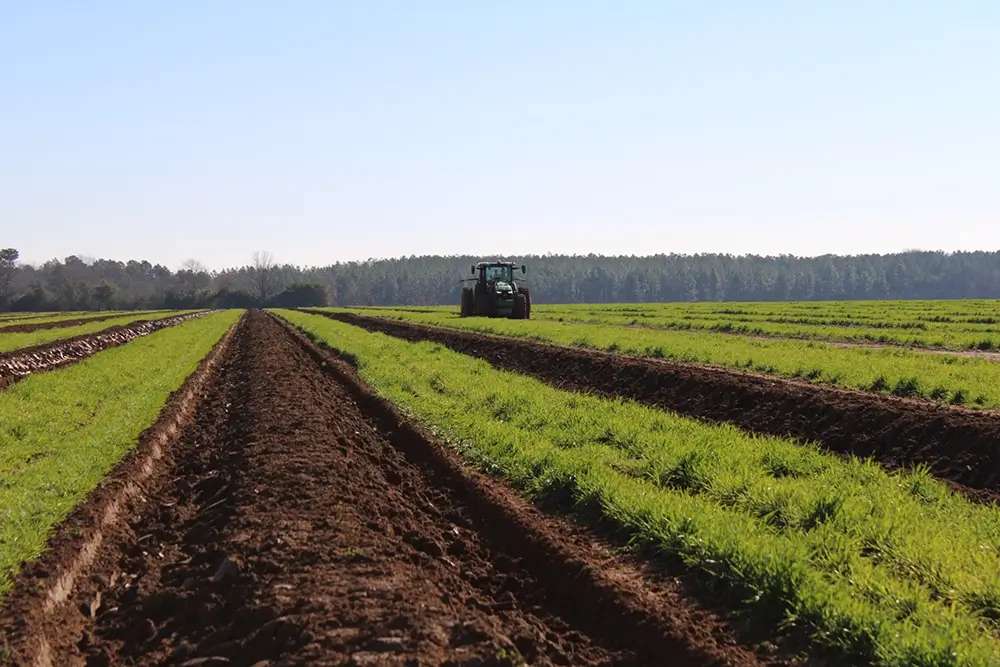
Agribusiness operations that increase purchases of agricultural products grown in South Carolina may qualify for an income tax credit or withholding tax credit.

Investment tax credit
Qualifying manufacturers may receive an income tax credit equal to 0.5% to 2.5% of the cost of eligible manufacturing and productive equipment, depending on the property’s recovery period.
Adeptus USA selects Anderson County to establish first South Carolina operation
$215.56 million investment will create 217 new jobs
Devro expands Calhoun County operations
Company’s investment will create 19 new jobsBittermilk expands Charleston County operations
$8.2 million investment will create 12 new jobsInterested in agribusiness in South Carolina?
Subscribe to our newsletter

Explore opportunities in SC
Connect with our Business Development team to discuss your company’s plans and learn more about South Carolina’s agribusiness opportunities.

